
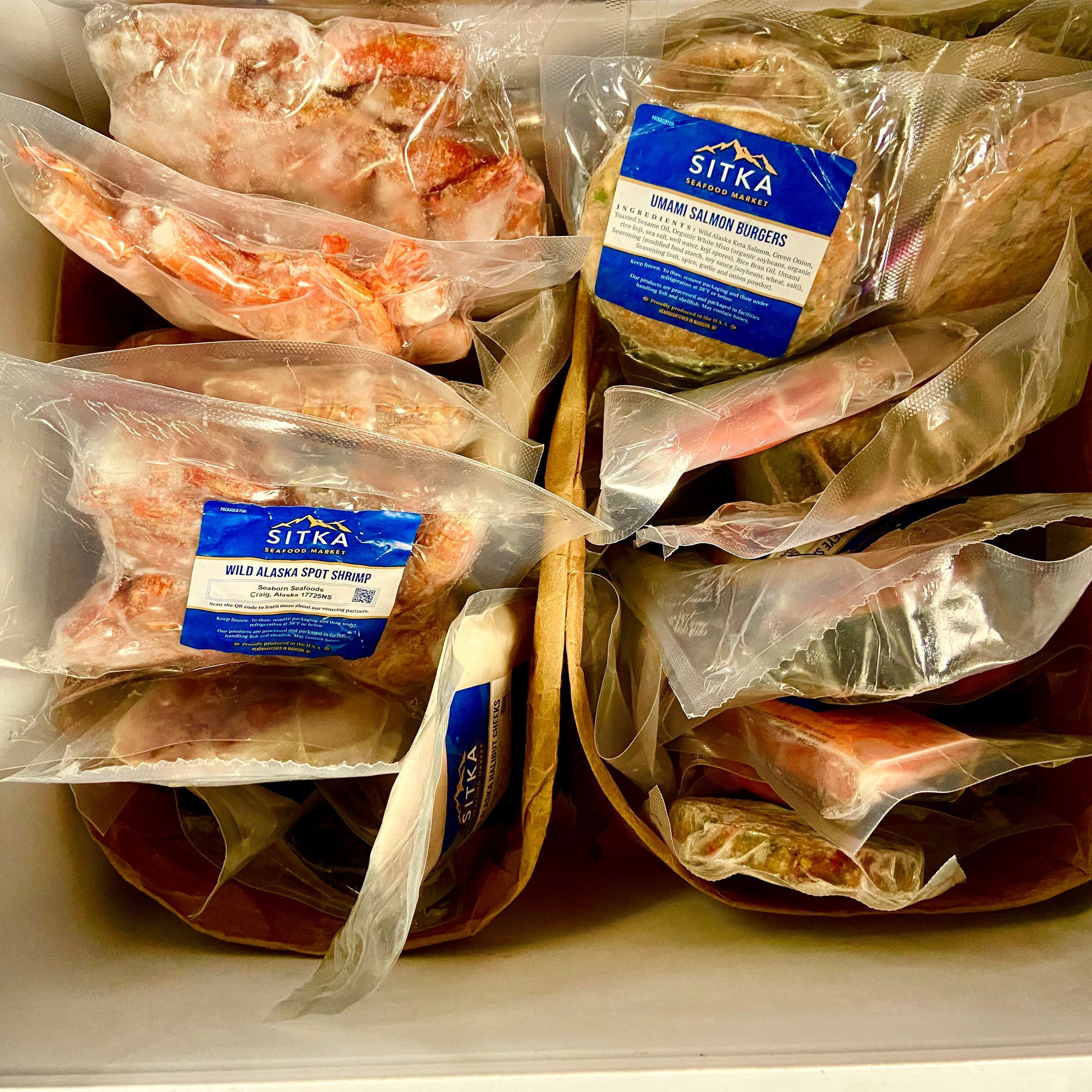
Can There Ever Be Too Much Fish?
Maybe you’ve been out of town. Maybe you’re feeding fewer mouths. Maybe you’ve downsized your freezer. Or maybe you’re holding onto certain “special” pieces for another time. The fact is, you already have a lot of fish, but the upcoming box looks too good to pass up. So what do you do? I get asked this question frequently, and my response is (in my head, anyway), “Eat more fish, d’uh!” Glibness aside, this surplus in the freezer can truly be anxiety-producing. Again, what can you do?
Abundance is a gift
Well, the first thing is to acknowledge that this abundance of seafood is a gift — even if it sometimes feels like a problem — a gift from the ocean, the fishermen, the processors, and everyone who labors to bring us this precious resource. But with that gift comes some responsibility on our parts. The last thing we want is to let anything go to waste. If we come across a package with a “popped” vacuum seal, or we even see some minor signs of freezer burn, this is the time to put that fish to use. Obviously, if the quality is so compromised, there’s not much you can do to rescue it.
Preserving methods like smoking, confiting (aka oil-poaching), dehydrating (salmon candy or jerky), or making rillettes actually enhance the flavors and textures of fish. And not only will the fish be delicious, but in many cases, it will extend its shelf life dramatically.
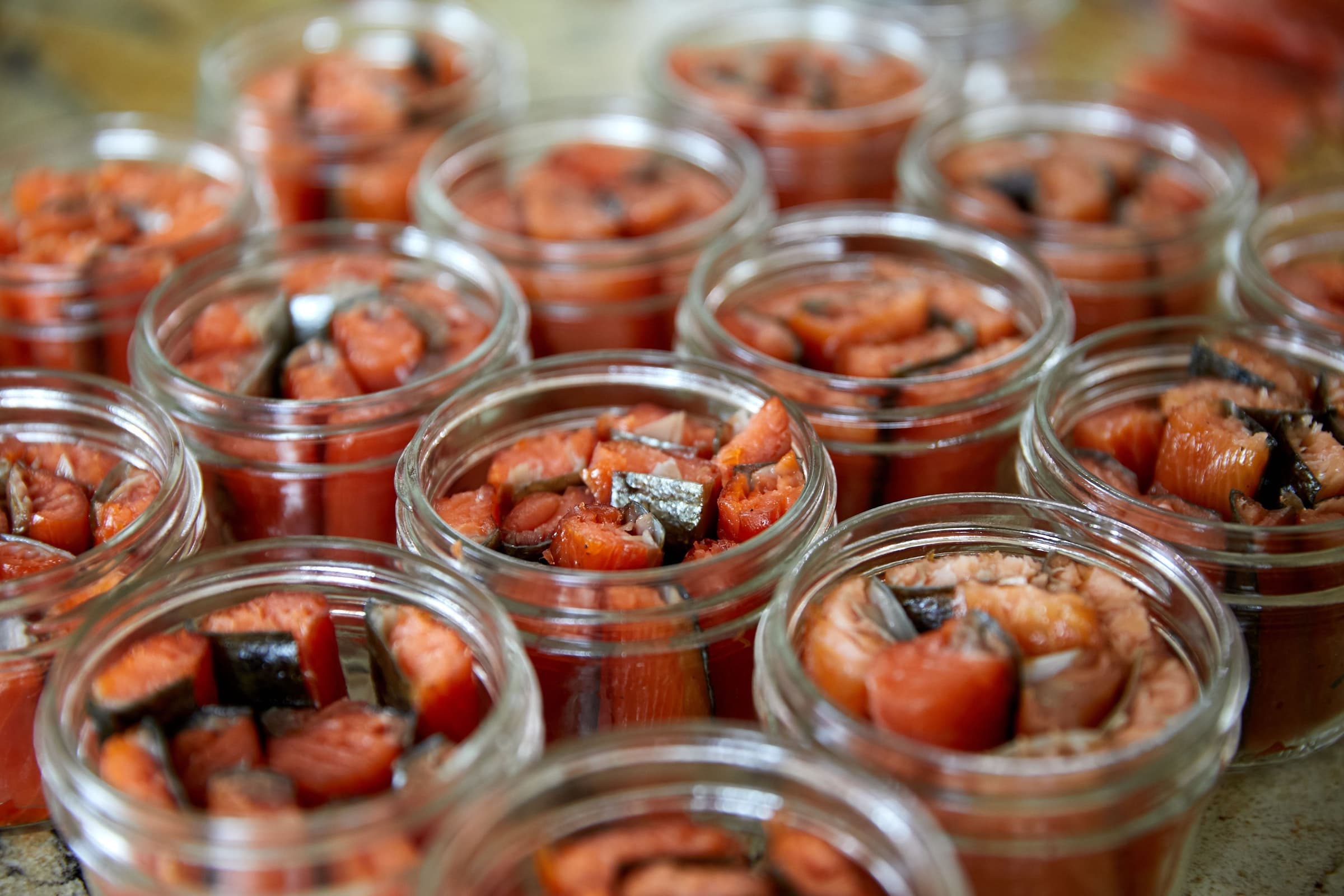
- Many Alaskans subsistence fish for salmon, then hot smoke it and put it into jars to store in their pantries. They’ve integrated that process into their lives so it’s practically second nature. But for the rest of us, it’s a process that involves special equipment like a smoke house and a pressure canner. I, for one, am not comfortable with that. However, the rest of us in the lower 48 can smoke our own fish on a grill and keep it in the fridge for up to a week to snack on throughout the week.
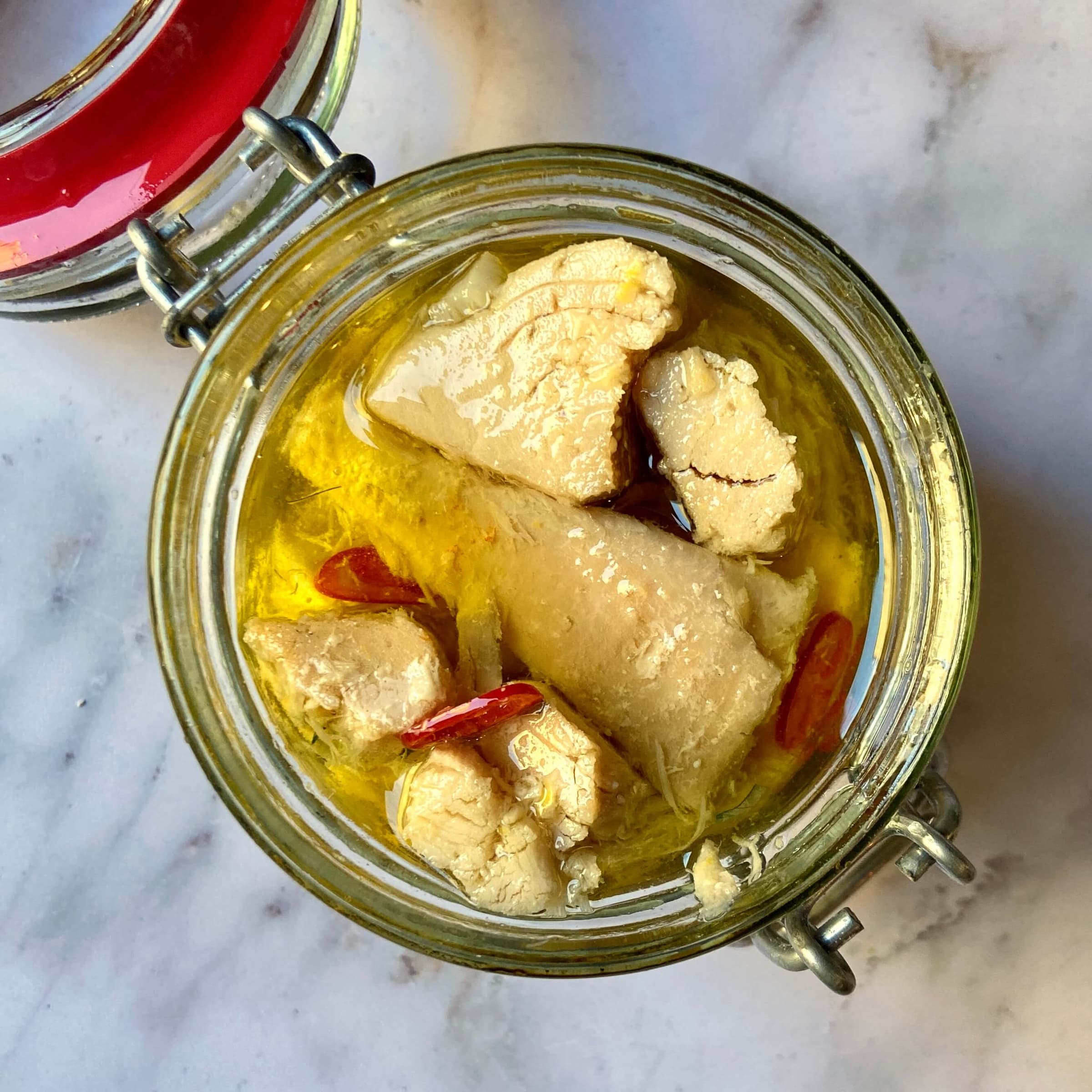
- In the case of confited (oil-poached) fish, especially tuna, if you submerge the cooked fish completely in its poaching oil, you can store the fish in the coldest part of the fridge for up to a week or more. Incidentally, this yields the most delectable tuna for the best tuna salad you are likely to have.
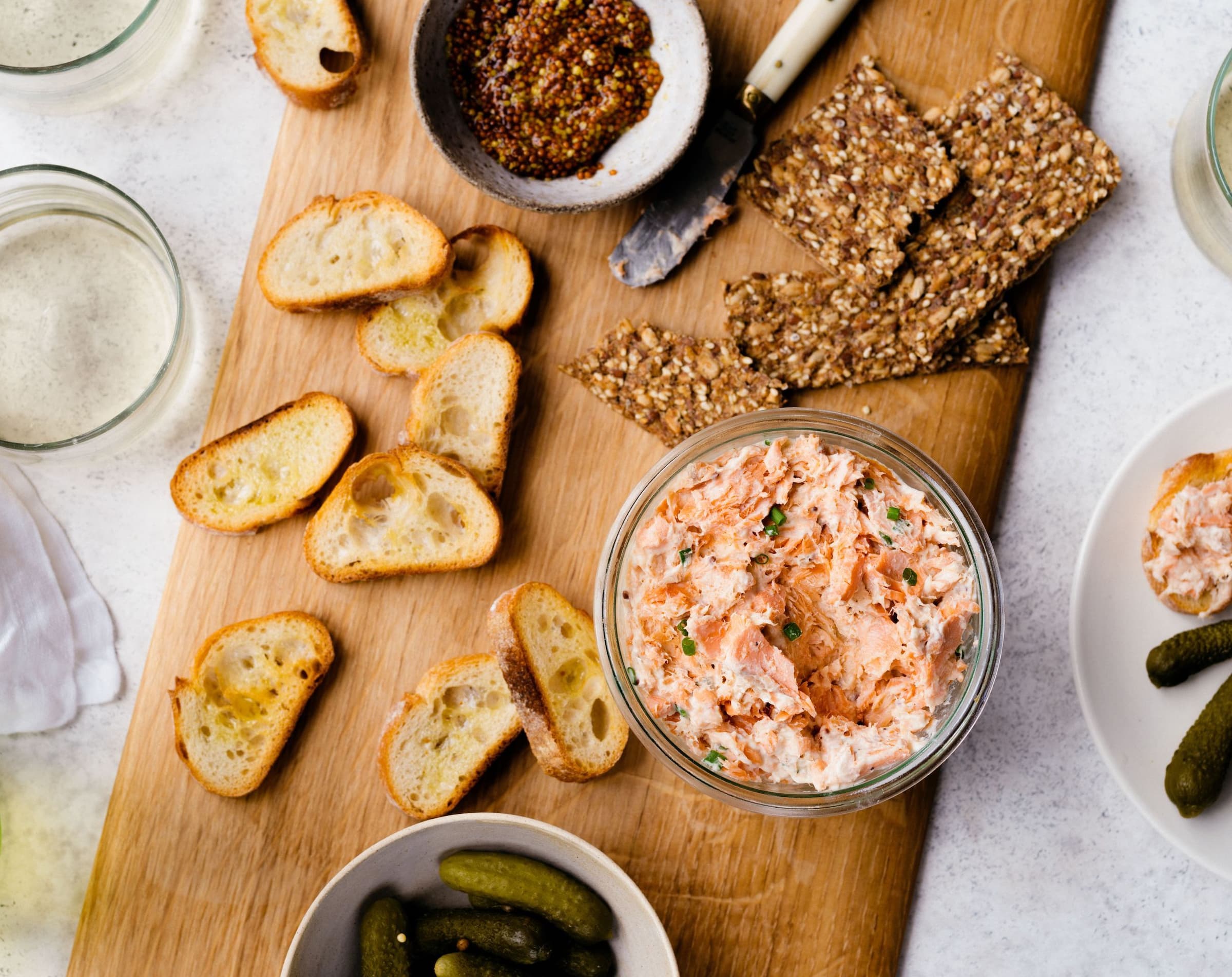
- Rillettes is another type of slow cooking in fat, like confiting. This method traditionally used fatty meats like pork belly or duck that were salted and cured, then slowly cooked until tender enough to shred into a paste with some of the cooking fat. It allowed the meats to be stored in crocks for several months. The meat, in this case, salmon, is coarsely shredded, mixed with aromatics, and covered in a thick layer of insulating fat which is butter. These salmon rillettes are best eaten within a week.
- Turning salmon or sablefish into salmon candy — a bit softer and juicier than jerky — extends the shelf life by infusing the fish with a sweet and salty brine (remember from an earlier post about brining that it slows the growth of harmful bacteria in raw or uncooked fish) and slowly cooking at a very low temperature to remove excess liquid — dehydrating. Packed in an airtight container and tucked into the coldest part of your fridge, this salmon snack can last up to 2 weeks. Fold it into cream cheese and spread onto bagels or flake it into salads or even kedgeree (rice and fish dish)
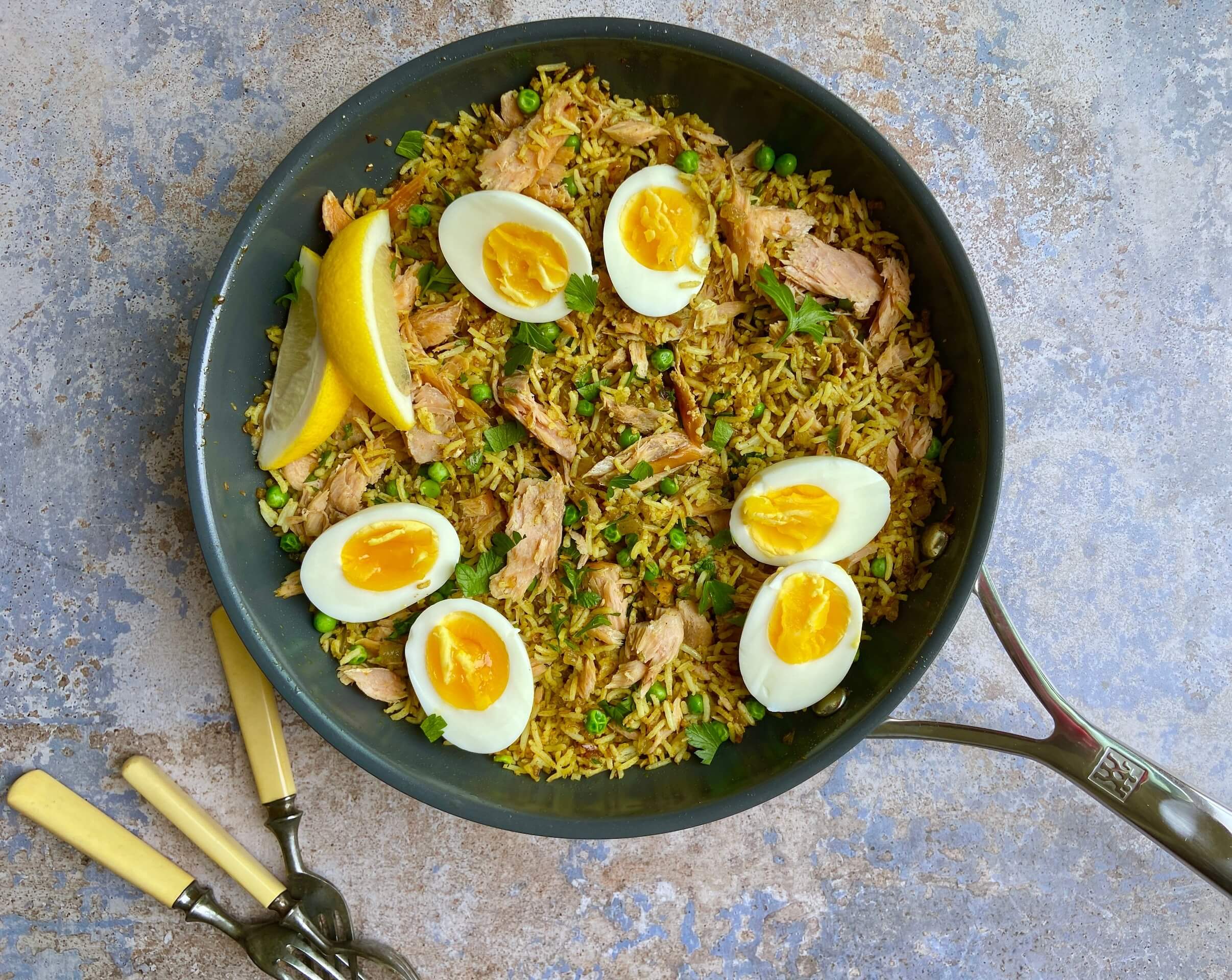
All of these methods have one thing in common: they’re practical. They’re ways of making sure good fish doesn’t sit in the freezer too long or end up in the trash. They turn “too much” into something manageable. And once you start thinking that way, the freezer feels less like a problem and more like inventory. Which brings me to the bigger issue.
Reshape your mindset
The next thing, and I’d argue the most important thing, we can do is to shift our mindset away from thinking that seafood is only worthy of special occasions or that a piece of king salmon or halibut is too fancy just for you. If we wait for the perfect night, the perfect guests, we deny ourselves a simple and delicious pleasure. So what are we waiting for? Don’t we deserve something a little elevated? Sometimes the surplus isn’t about preservation at all — it’s about hesitation.
One of the beauties of moving to individual portions is that a single fillet satisfies a single meal without worry of leftovers. There’s something secretly indulgent about cooking just enough for one. This is something I’ve really come around to in my own experience. Don’t get me wrong, I love having leftovers to reheat after a super busy day, but when I have a little bit more time — you don’t need much — pan-searing a piece of halibut and basting it with flavorful herb butter feels like a luxury I’ve given myself. When we stop saving fish for "someday", it tends to get used. And the freezer, almost magically, takes care of itself.
Now tackle that freezer and treat yourself to something yummy
Grace
If you try any of these suggestions, I’d love to hear how it goes. Email me at AskGrace@sitkaseafoodmarket.com
