
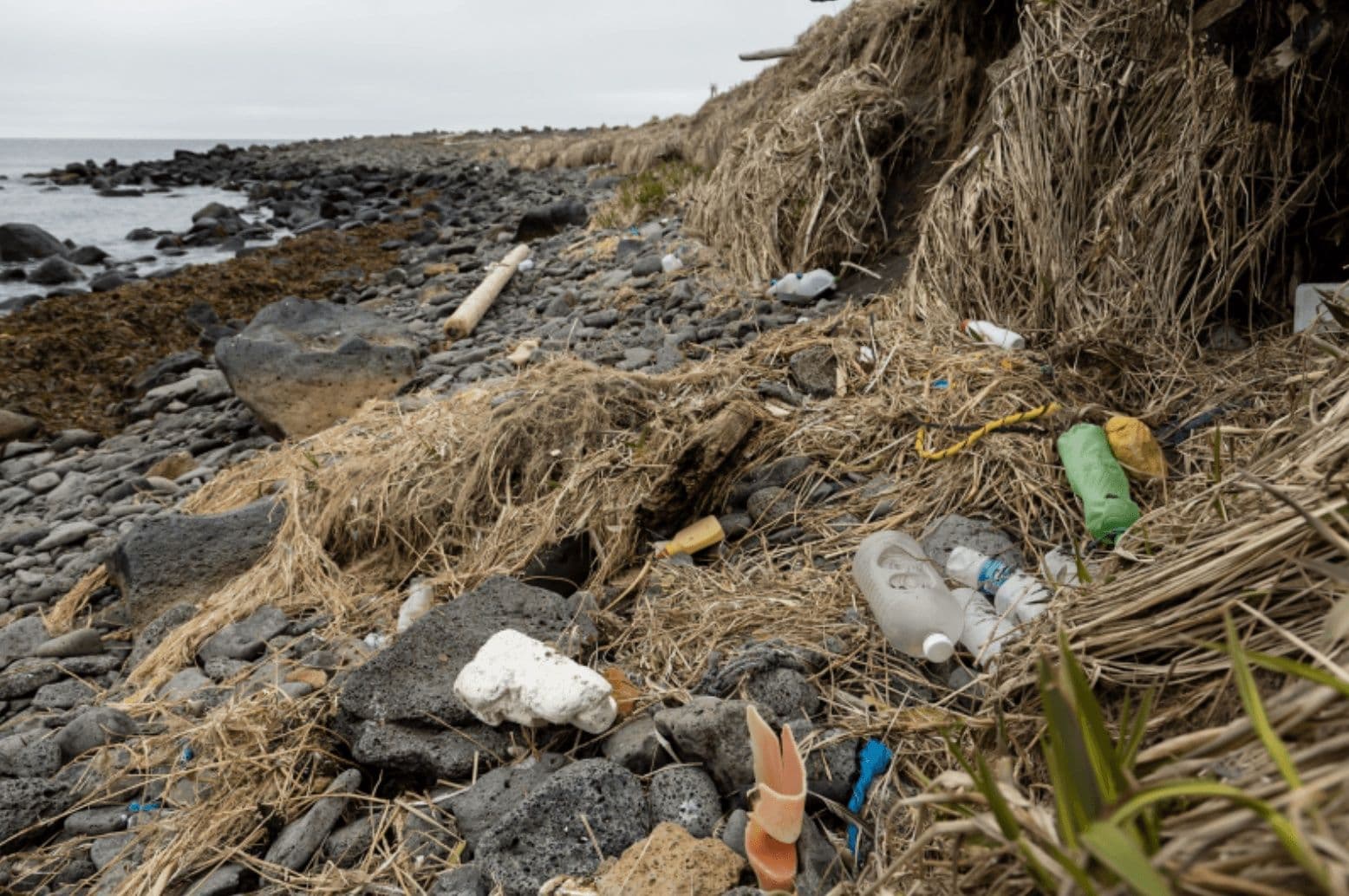
Many of you have heard about microplastics in seafood or know of the Great Pacific Garbage Patch, but you might not think of Alaska as having garbage-filled beaches. It isn’t everywhere, and it isn’t all from the trash we generate locally, but plastics from around the Pacific wash up along Alaska’s coast in huge quantities. These remote areas contain everything from derelict fishing gear and abandoned vessels to construction materials, consumer products, and microplastics. All of this poses significant threats to Alaska’s delicate coastal ecology. Ghost fishing — where lost or abandoned gear continues to trap and kill marine life — is part of the danger of fishing in Alaska. Last year, a loose chunk of trawl net floated into a troller’s lines; it not only destroyed his gear but also threatened to tangle in his propeller and leave him stranded.
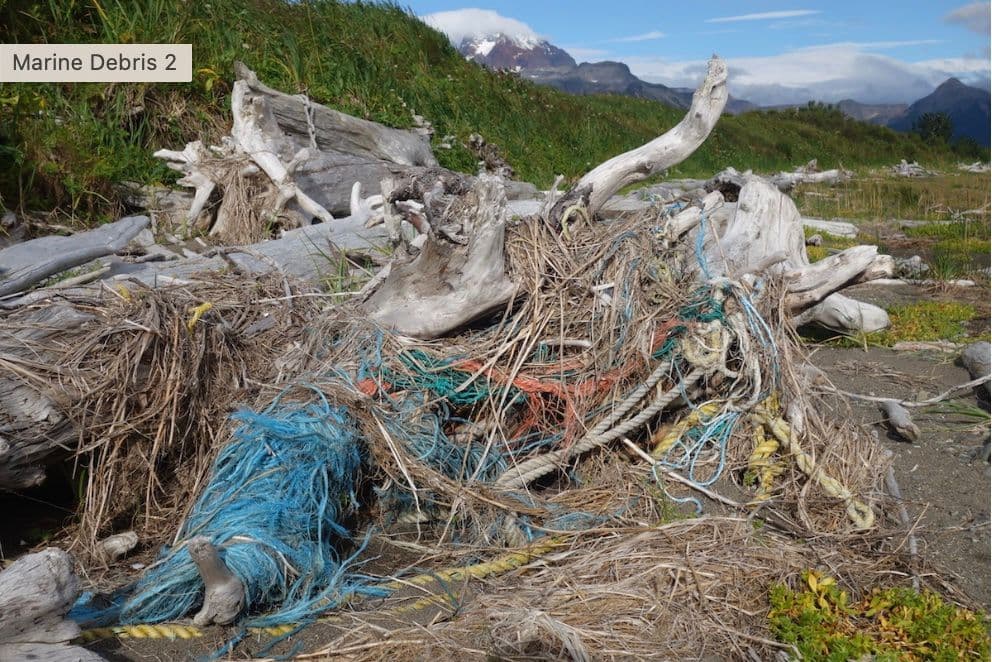
Thankfully, people are doing something about it. The National Oceanic and Atmospheric Administration — NOAA — in collaboration with partners across Alaska, has unveiled the Alaska Marine Debris Action Plan. This effort brings together federal, state, and local agencies, non-governmental organizations, industry, academia, and Alaska Native communities to guide and coordinate marine-debris efforts across the state. It is designed not only to clean up beaches and debris but also to collect data and build a movement to protect our sacred wild places.
This work requires more than gathering volunteers to walk the beach and pick up litter. Many of the areas with the most marine debris are remote and difficult to access. Much of Alaska’s coastline lacks protected beach access, and simply getting people to these remote coastal areas is a major logistical challenge. Removing the debris also requires local knowledge and experience moving heavy materials in the wilderness. Fortunately, NOAA has awarded grants to several local fishing fleets that bring both coastal expertise and boats and equipment capable of hauling marine debris off our beaches.
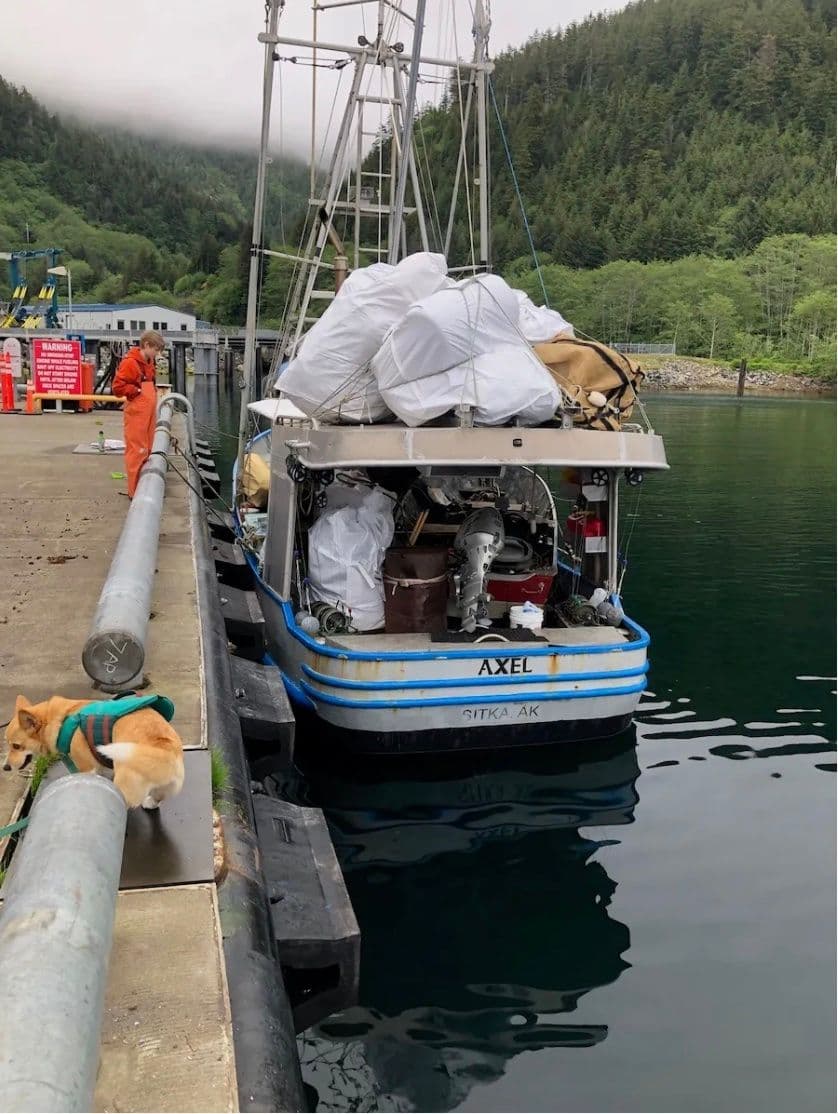
Captain Zach Foss of the F/V Axel received a grant for six trips to remove marine debris from the waters around Southeast Alaska and Sitka. In 2025, they removed over 10,000 pounds of marine debris from local beaches. That’s a substantial amount of trash pulled off the shore. Their knowledge of where debris accumulates and their fishing-boat equipment, repurposed for cleanup, are making a significant difference for our local beaches.
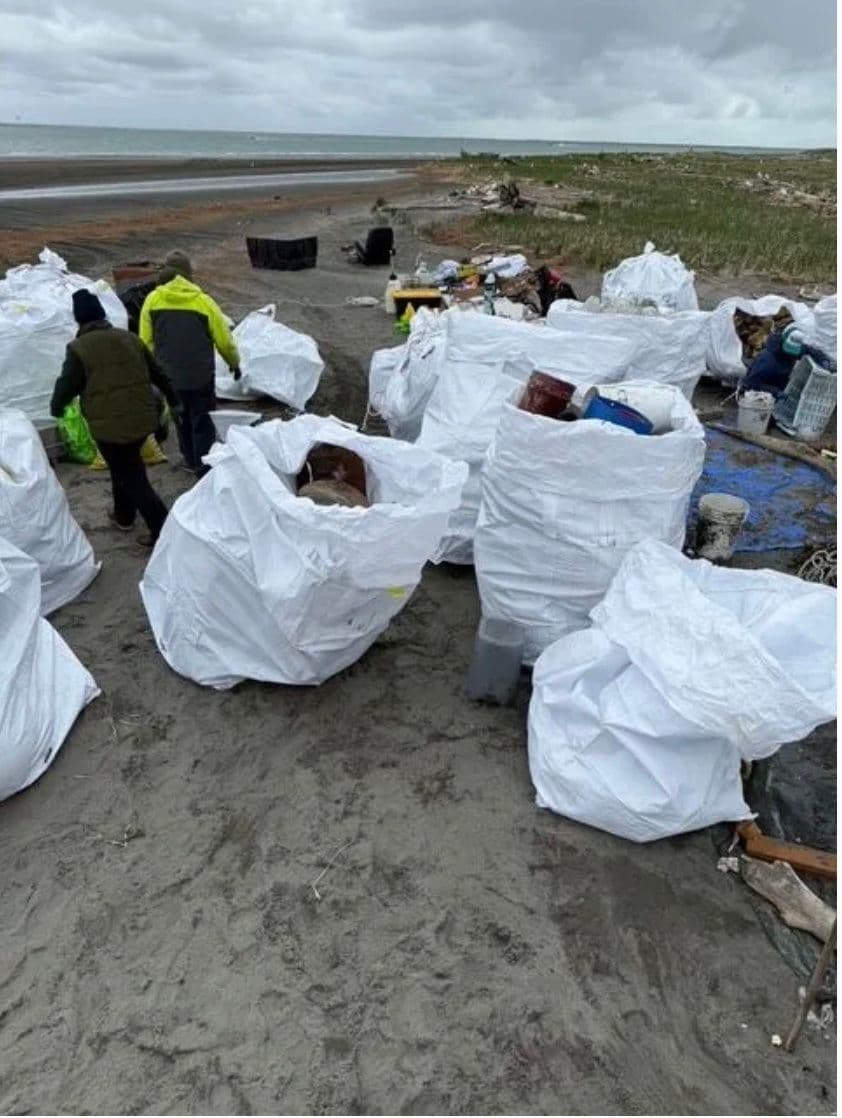
Up in Cordova, Drifters Fish also received a grant to clean up beaches around Cordova and in the Copper River Delta. They are coordinating with other local fishermen, using their boats as well as ATVs to clean up miles of beaches.
Hopefully, efforts like these, driven by fishermen and supported by governmental recognition and funding, can build on the good work already underway. It’s a pretty cool effort from fishermen who love their wild places and are doing the work to clean up the wilderness that supports them.
