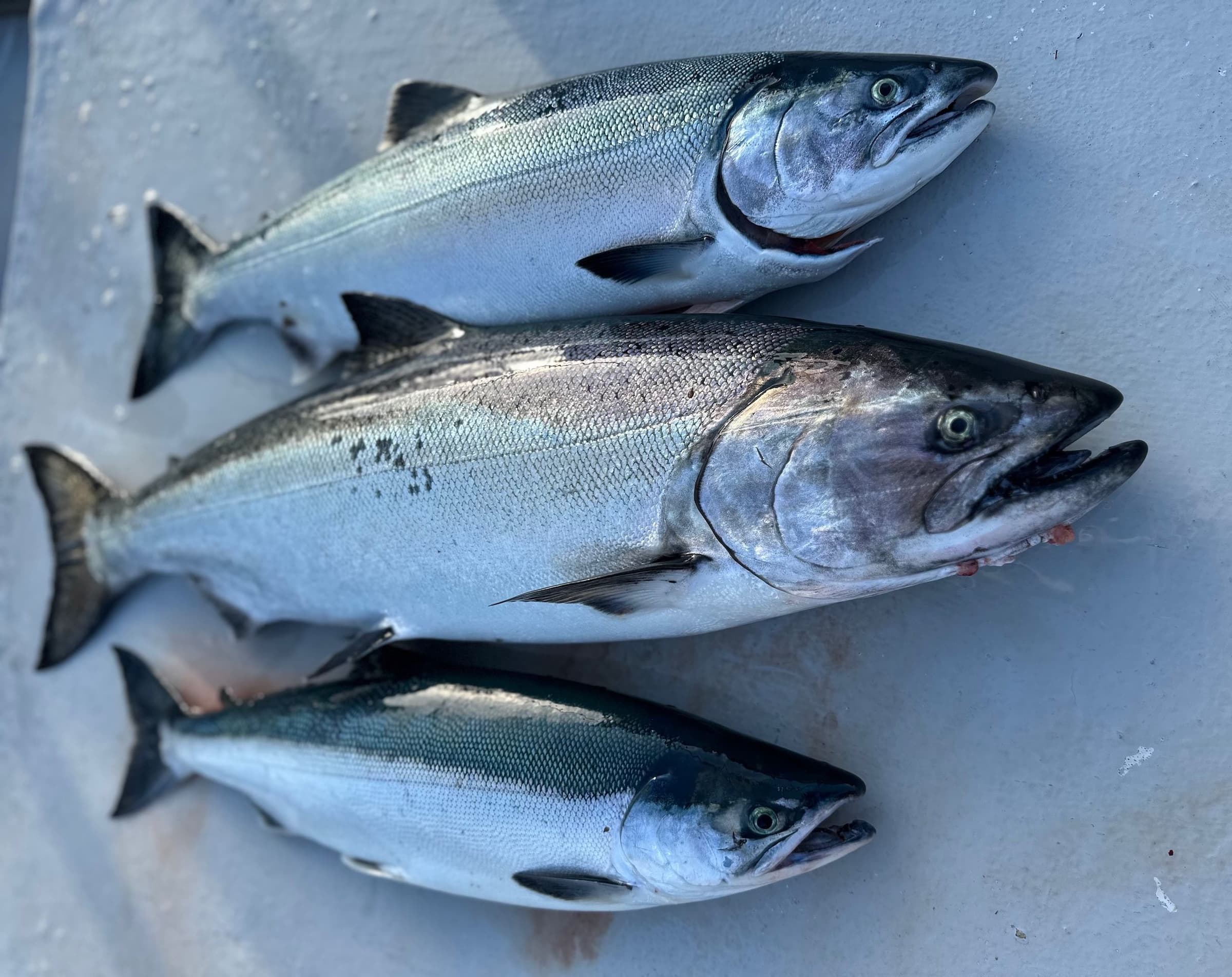
For many of us, climate change is right in front of us — fires spreading across the West, heat waves, and droughts across the country. Here in Sitka, it’s not always as visible, but there are changes happening in the ocean that are hard to miss. The Pacific helps keep our temperatures mild for most of the year, and our forests stay green and mossy. It can seem impossible for all this rain to ease into drought, yet closer inspection reveals perceptible changes happening before our eyes. Much of the historical wisdom passed down from tribal elders or fishermen about weather patterns isn’t as reliable as it once was. Hills are less often covered in snow, and even at 2,000 feet in Sitka there are fewer skiable days.
Head east from Sitka, around the other islands in Southeast Alaska, and the devastation from spruce beetles and aphids is alarming. Whole hillsides of standing dead trees show what warmer temperatures can do to this delicate rainforest.. The risk of fires remains low, but if living trees aren’t protecting the streams that salmon rely on to spawn, the future of our fisheries is at risk.
I don’t want this to be purely doom and gloom. While many changes around the world are stark, the environment — and fisheries — aren’t all doomed. Conditions are shifting, and while some species struggle, others are finding ways to thrive.
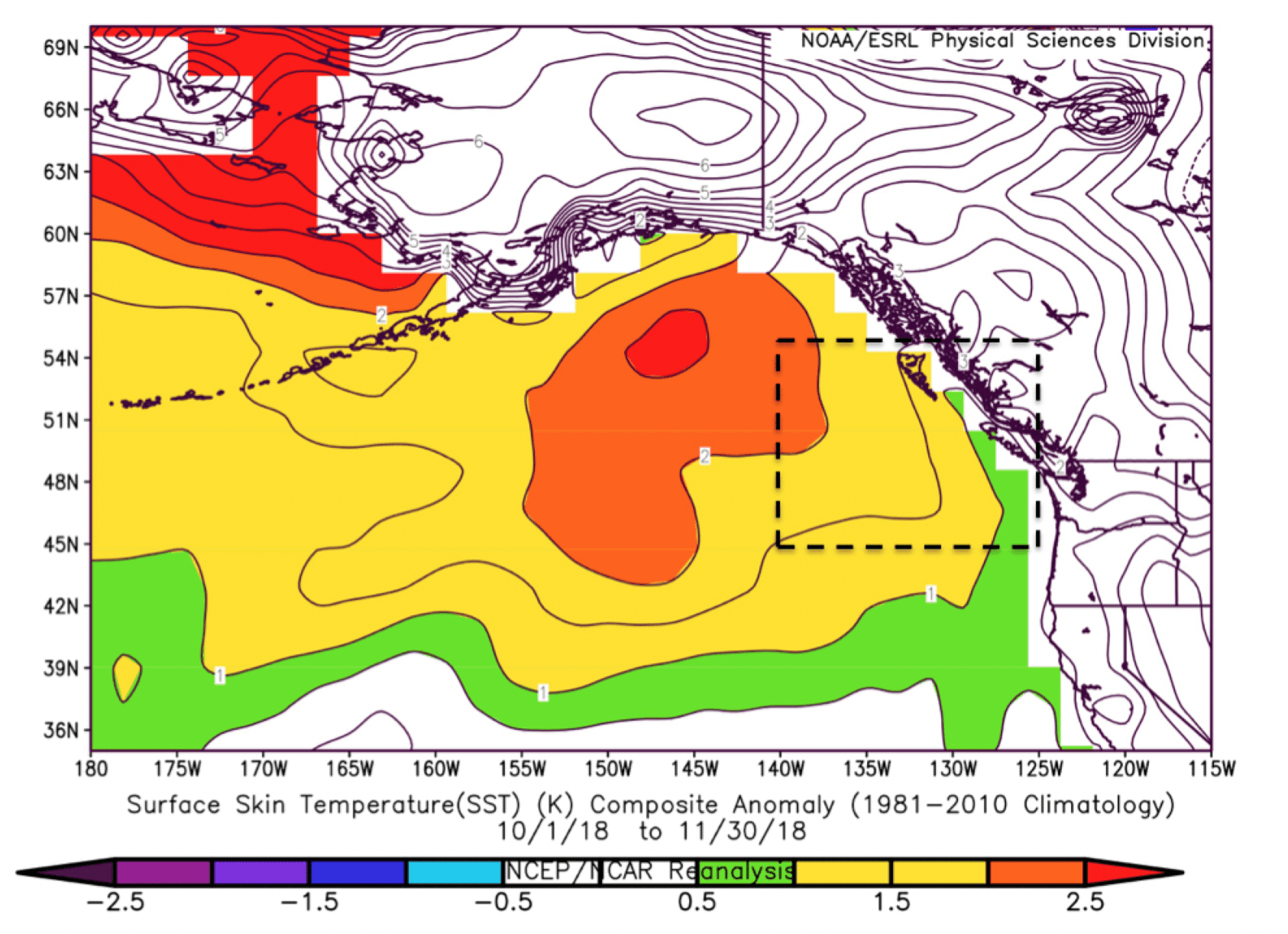
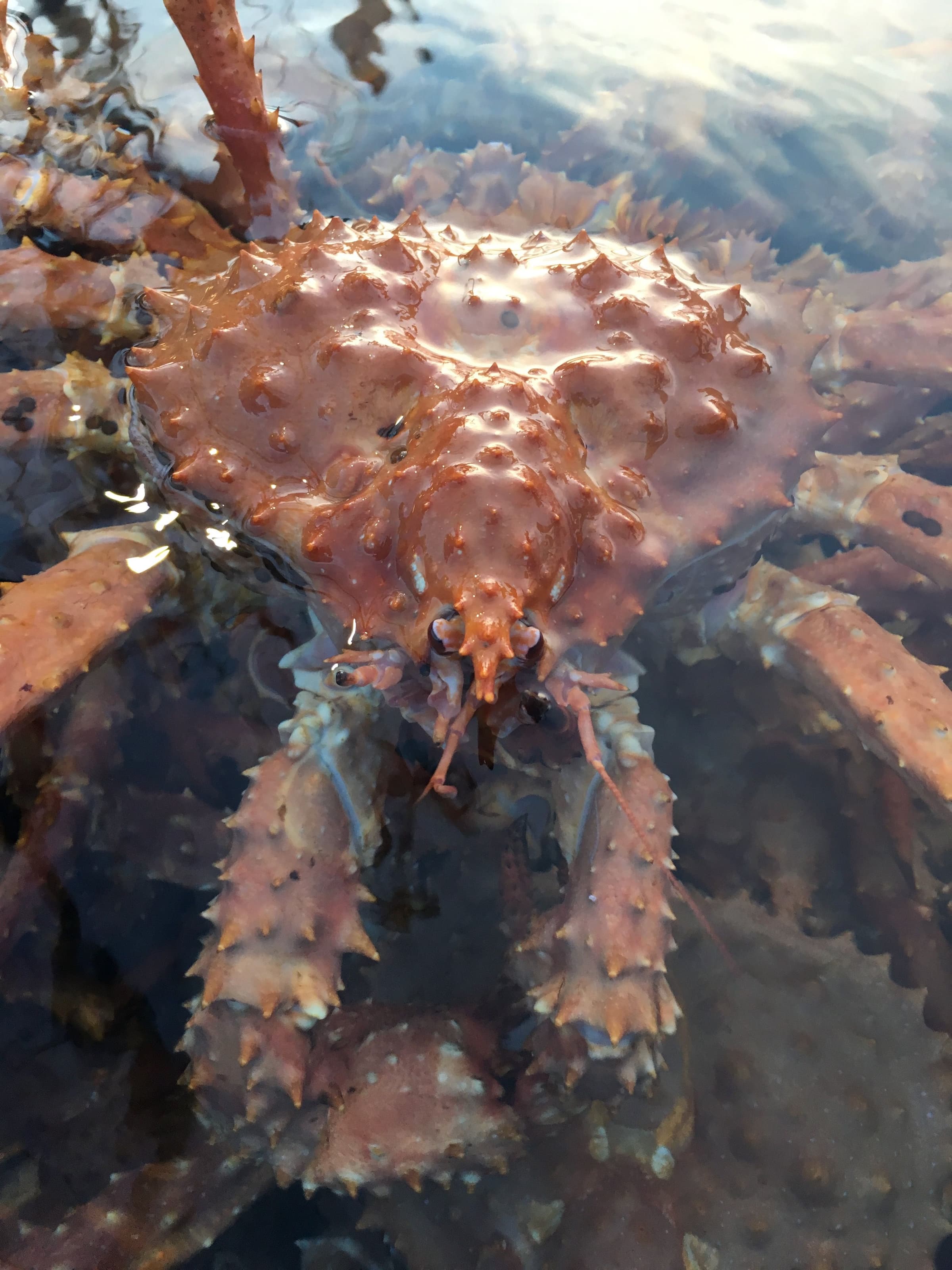
Big changes, like the warm water blob in the Gulf of Alaska, have hit our fisheries hard; fishermen watched the Pacific cod fishery disappear almost overnight. Other species, like sablefish (black cod), have thrived in recent years. Salmon remain adaptable and resilient — as long as we protect their freshwater habitats and tightly manage how many fish we harvest. In a changing ocean, sustainable and adaptive fisheries management is more important than ever. Even with tight, science-based stock assessments, some species can disappear quickly. Alaska’s king crab fishery is a cautionary tale. Between 2018 and 2021, more than 90% of the Gulf of Alaska king crab biomass disappeared. Signs of recovery have appeared recently, underscoring the need for proactive, adaptive management when species can’t sustain harvests.
A friend of mine studied what our future might look like as oceans warm and become more acidic, focusing on three kelp species in Sitka Sound. The study examined growth rates, nutritional value, and carbon uptake in both winter and summer. The results showed that some species fared better in warmer, more acidic waters than others. That small-scale example reflects how climate change will affect our oceans more broadly: some species will do well, while others may need time to adapt, or find new food sources, before they disappear. This is why choosing seafood from sustainable fisheries matters. When management stays ahead of how we harvest, it gives fish a chance to rebound as conditions change.
