Omega-3s are essential… but the numbers don’t tell the whole story.
This year, as we kick off 2026 on a healthy note, I wanted to dig into something I hear often: eat omega-3s! I’ve read farmed-salmon advertising claiming they have more omega-3s than wild salmon. How is that possible? We’ll explore what omega-3s are, how we can eat to maximize them, and what’s actually true so we can start the year on our best footing.
Omega-3 fatty acids are essential fats that play a crucial role in brain function, heart health, and inflammation regulation. They support brain development and cognitive function and help maintain the structure of cell membranes throughout the body. In addition to supporting brain function, they help moderate blood pressure, reduce triglycerides, and combat inflammation.
There are two long-chain omega-3s prevalent in wild seafood: DHA and EPA. Both actively help reduce inflammation and support tissue healing, more so than plant-derived omega-6s.Omega-6 fatty acids fats are a family of polyunsaturated fats that play important roles in the body, including cell membrane structure and signaling processes. Our American diets tend to be less seafood-forward and higher in fats from processed foods, which deliver more omega-6s. This ratio imbalance can raise the risk of inflammation and autoimmune issues. As regular seafood eaters and members of Sitka Seafood Market, you can rest assured that you’re improving your omega-3 to omega-6 ratio by eating our fish weekly.
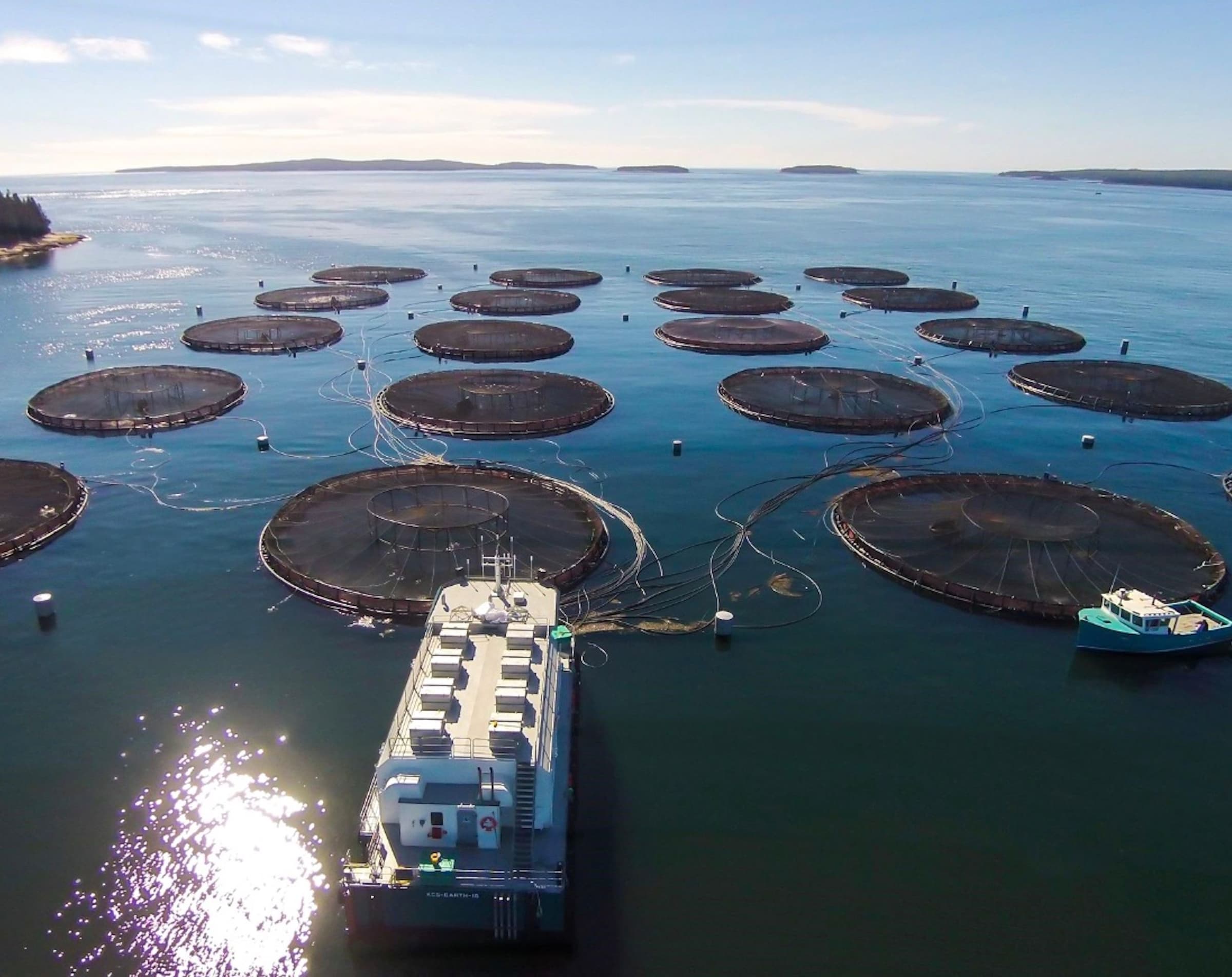
Let’s get into why farmed salmon sometimes have more omega-3s than wild salmon. Farmed salmon have considerably more fat than even king salmon. The average farmed salmon has about 13.4 g of fat per 100 g, while even fatty wild Chinook has around 11 g per the same serving. There are several reasons for this. Farmed salmon don’t swim freely and hunt for prey; they swim in pens and are fed pellets that include fish meal, soy, corn, and other additives. The farmed-salmon industry closely monitors feed conversion ratios (FCRs), which measure how much feed is needed to grow a pound of salmon. To improve these ratios, producers may increase the use of corn, soy, and other additives, which can reduce the diet’s long-chain omega-3 content and may increase exposure to compounds used in large-scale agriculture. What does this mean for you? More fat in farmed salmon isn’t necessarily better fat in terms of health benefits. The varied diet of wild salmon, as they travel the ocean, gives them more long-chain omega-3s and potentially fewer contaminants. In a smaller serving, you may get more EPA and DHA from wild salmon.
Long-chain omega-3s are a type of healthy fat, most notably EPA and DHA, and are found almost exclusively in seafood. They’re called long-chain because of their chemical structure — they have more carbon atoms in their chain compared to short-chain omega-3s like ALA, which is found in flax, chia, and walnuts. EPA and DHA are the omega-3s your body really needs, and are the ones linked to heart health, brain function, anti-inflammatory benefits, etc.
Your body can't make EPA and DHA very well on its own — and it struggles to convert plant-based ALA into these long-chain forms. That’s why getting EPA and DHA directly from seafood is the most efficient and effective way to support your health.
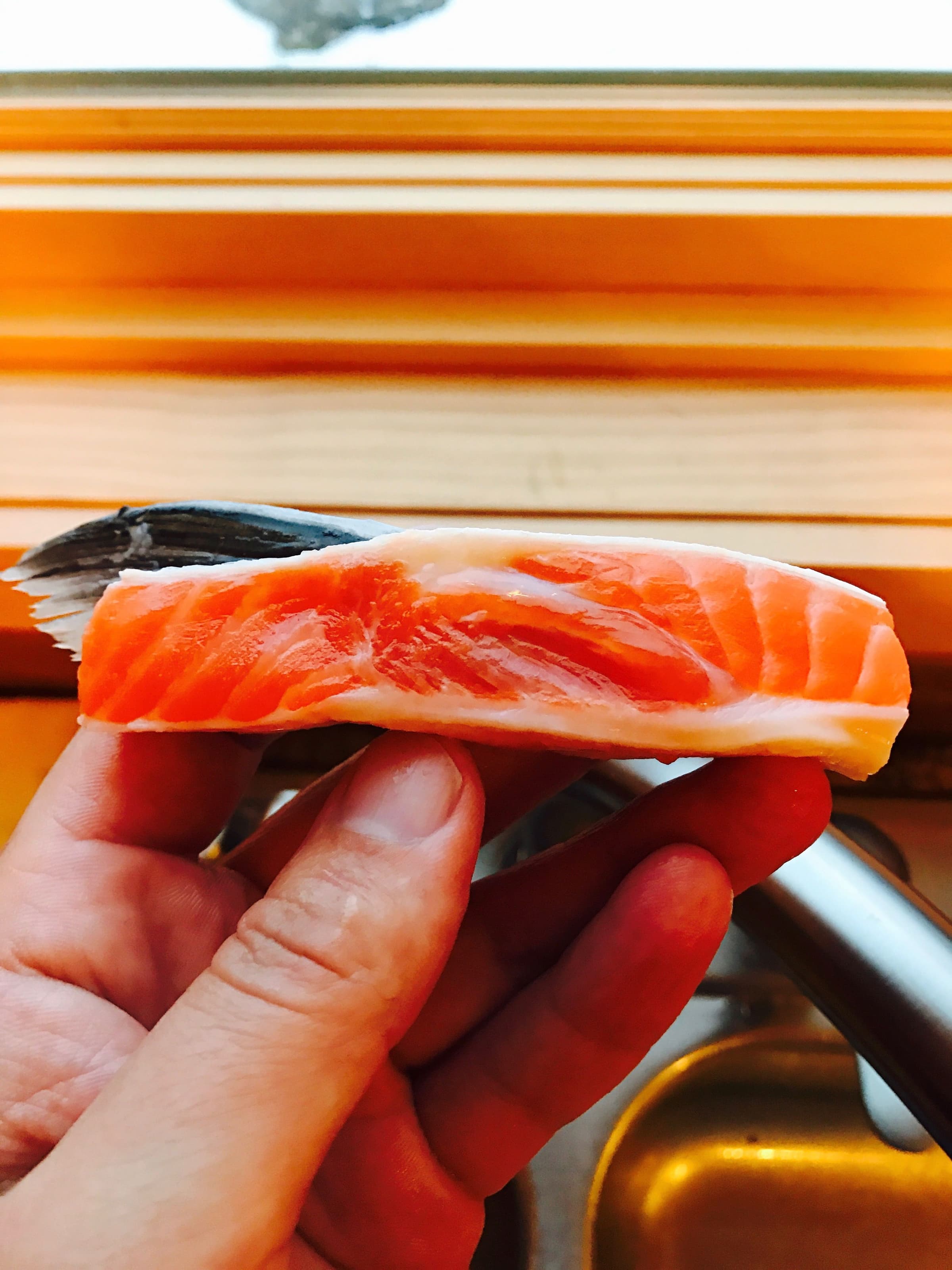
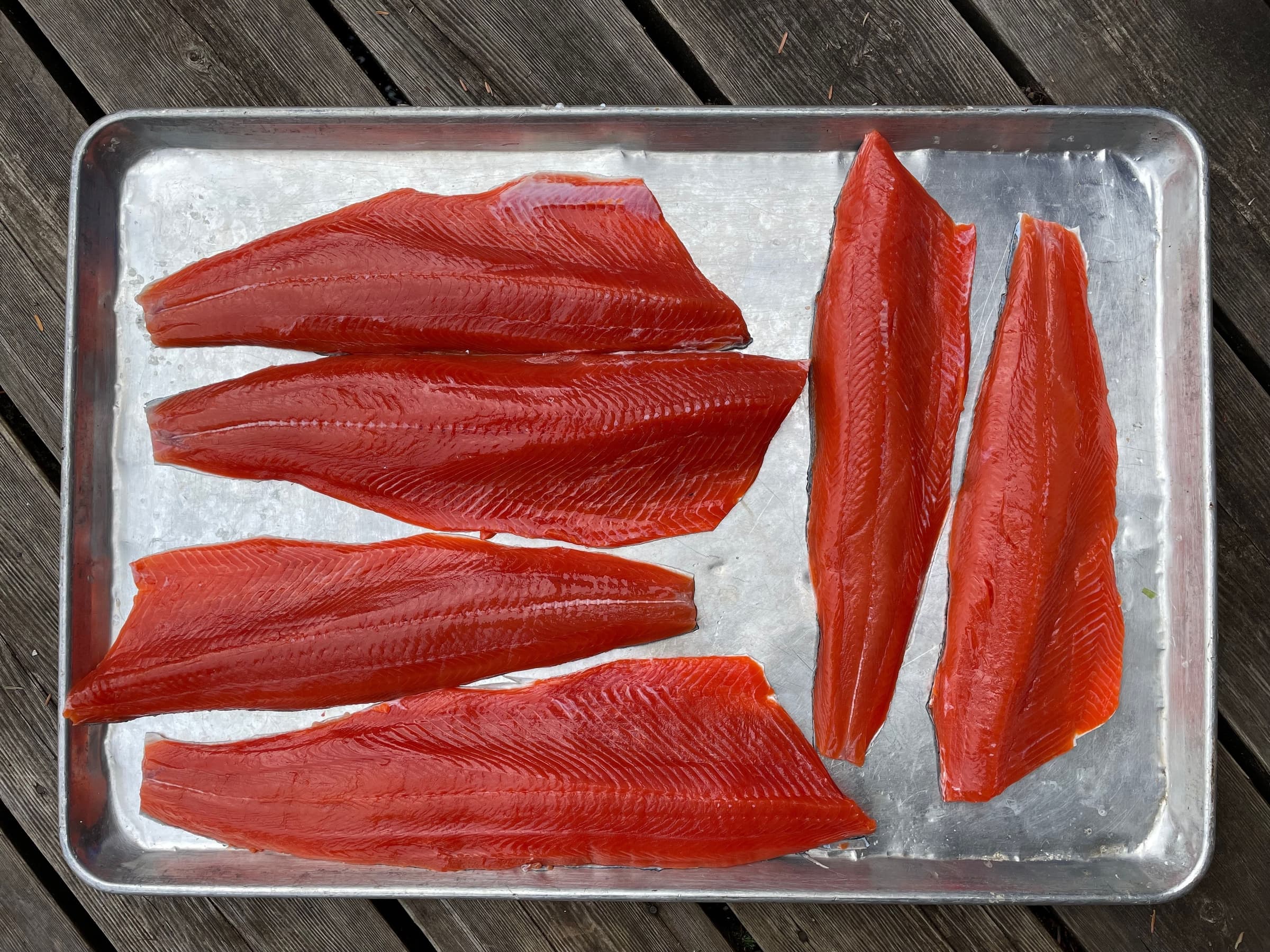
Wild salmon (especially sockeye and coho) naturally accumulate long-chain omega-3s by eating marine organisms like krill and small fish — unlike farmed salmon, which may be higher in total fat but lower in these specific, beneficial fats depending on their feed.
Health benefits are sometimes overstated when people look for a quick health fix, and that can be true for omega-3s as well. Some studies show that people who eat more fish or take supplements often have healthier overall lifestyles — more exercise, less smoking, better diets. This residual confounding can inflate perceived benefits of eating fish alone. Eating more fish doesn’t solve all health problems overnight, but it does provide healthy fats and high-quality protein your body needs. Taking supplements can help boost your omega 3’s, but not all are created equal. The fish oil industry is loosely regulated and many make false claims about their DHA and EPA contents. Just like finding good quality fish you can trust, do your research on fish oils and try to find ones that are third party certified from sustainable sources.

Paul Greenberg’s The Omega Principle argues that the desire to eat omega-3s cannot be divorced from the ecological and socio-political systems that supply our seafood. For example, the farmed-salmon industry’s push to increase omega-3 content can involve feed choices that rely on overfished anchovies and sardines. He argues that our pursuit of healthy fats and proteins shapes how wild fish are harvested and how we farm more of the oceans. Globally, this means tradeoffs between overfishing and farming practices that aren’t always sustainable. Greenberg points out that you should seek out sustainable seafood from sources you know and trust, rather than chasing seafood only for its health benefits. There are many ways to live a healthier life, and incorporating sustainable wild seafood is a great way to do it.
There are so many tough choices seafood consumers face, but Sitka Seafood Market helps by offering seafood that isn’t guided solely by demand, so you can feel confident about the sustainability of your fish while still getting the nutrients your body needs. Thanks for reading!
Your Fisherman,
Marsh