This month’s catch is dedicated to how we source the fish in your box. It has been a winding road, with many lessons learned along the way. To understand how we do things now, a brief history of how we ended up here is in order.
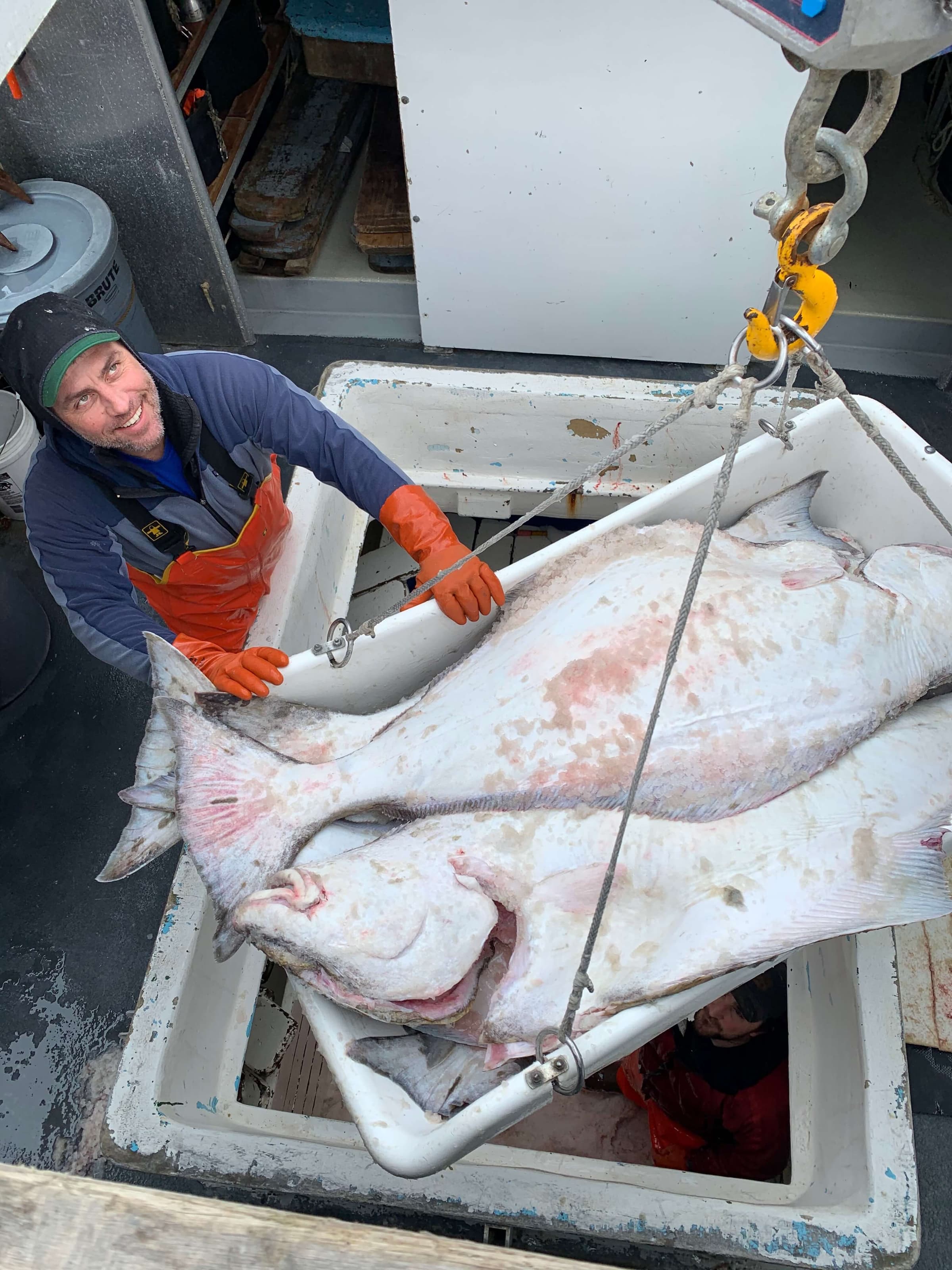
Take a time machine back to 2011: I was hook-and-line salmon fishing out of Sitka. The fish I caught were sold to local processors, and that first season ended strongly, thanks to high keta salmon catch rates and strong global demand. That summer, a small portion of my catch went to a buddy’s network in the Midwest, where people were interested in better salmon. The next year, more people were interested, and word spread that folks in the Midwest could buy fish directly from fishermen, with quality far better than anything they’d tried before.
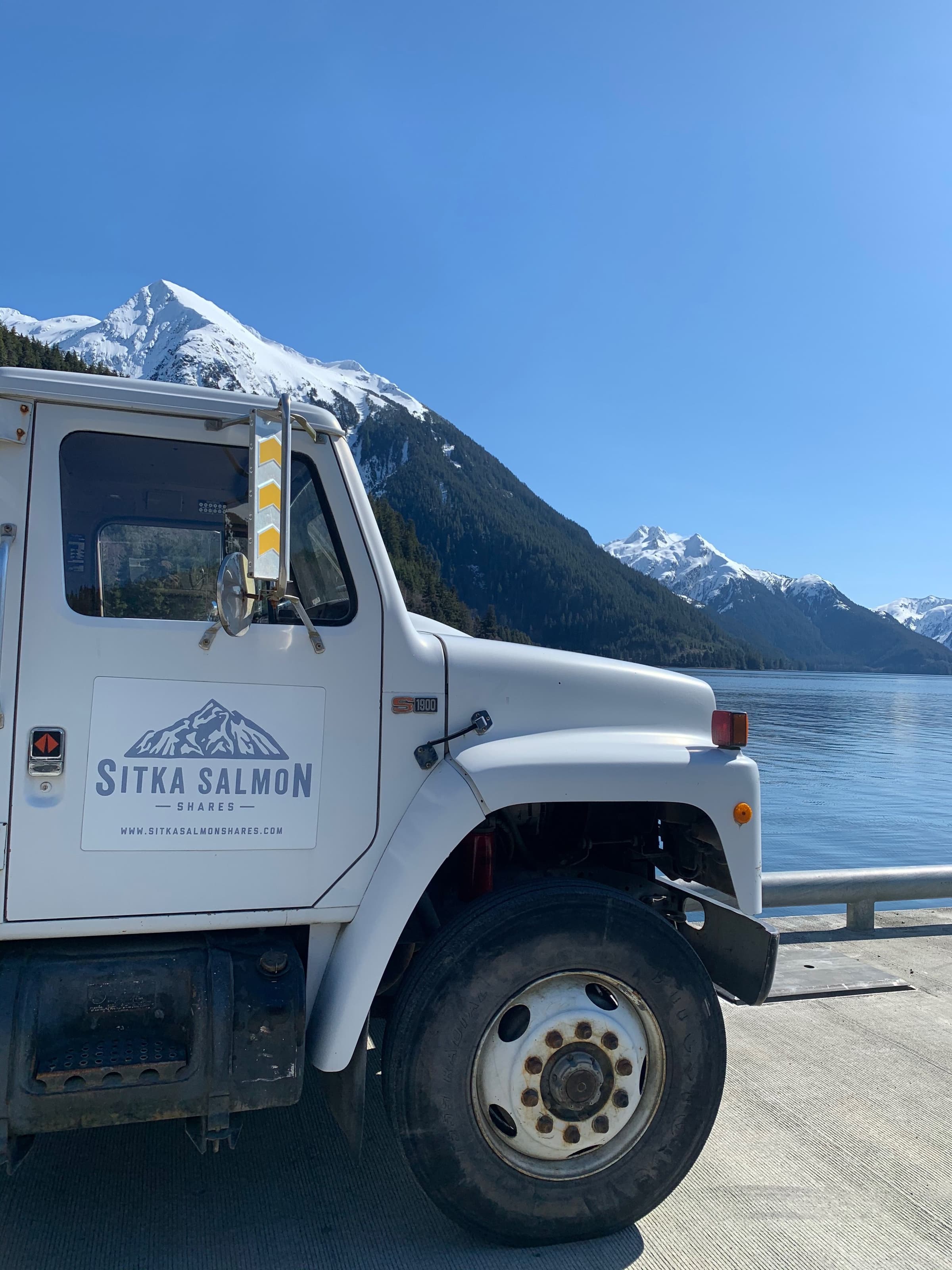
For my operation, the second salmon-trolling season didn’t go as well. The keta runs didn’t show up strongly, and prices for coho and kings were low. I had to replace the transmission on my boat during a key part of the season, and missing that week of fishing hurt. The one bright spot was selling some end-of-season coho salmon to Sitka Seafood Market at a solid price. At the time, it was a fully bootstrapped startup, and those fish were processed by a small local processor that focused on filleting and freezing sport-caught fish. The couple of trips I delivered were filleted, frozen, and flown to Chicago for distribution to our first members. Since that first year worked, we kept it rolling, with our small processor handling troll salmon (king and coho) from Sitka and sockeye from our friends at Taku River Reds in Juneau.
Flying our fish from Alaska worked, but it had downsides. One was the high shipping cost and a less-than-ideal carbon footprint. Another downside was the danger of our fish warming up in transit. It seemed safe leaving the cool rainforest of Sitka with frozen gel packs to keep it cold, but then it hit the runway in Seattle, where it could be 90+ degrees while waiting to board another plane to Chicago in peak summer. Although the fish usually arrived in good condition, it was a risky supply chain that meant many late-night trips to O’Hare, hoping all the fish arrived fully frozen.
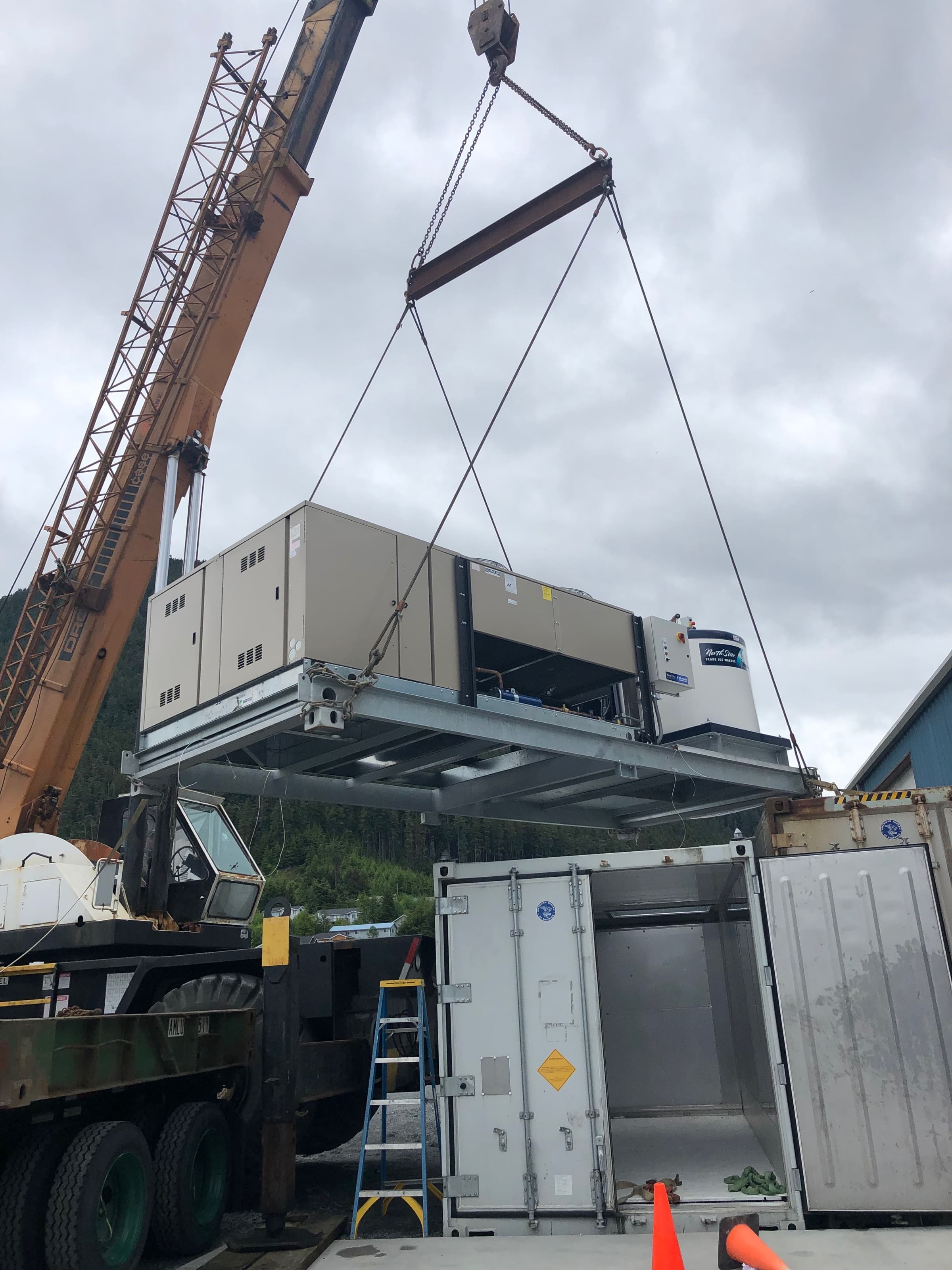
As we grew, we needed more fish, and the small Sitka processor we worked with was having financial troubles. We faced losing our processing partner, so we jumped in headfirst by buying our own processing plant. This is where we learned many valuable lessons about supply chain logistics and freezing our fish. Initially, we worked closely with all our fishermen to ensure we did everything on board their boats to produce the best quality. This remains important, but once we took processing in-house, we realized how crucial handling and freezing were — just as much as what happened at sea. We experienced freezer breakdowns and equipment that couldn’t freeze our fish quickly enough to meet the quality our harvest deserved. We immersed ourselves in learning everything about freezing, upgrading our systems to freeze fish faster and make them the best-frozen they could be. With those upgrades and more fish moving through our plant, we also shifted to sending fish south in freezer containers on barges rather than flying fish via air cargo. This saved on shipping costs and kept our fish consistently colder in transit. Even with frozen-container and freezer-truck shipping, there was room to improve. After installing temperature trackers on our shipments, we found that sometimes fish sat out for hours as they moved between cold storages and freezer trucks. With that feedback, we could alert our shipping companies and ensure our fish didn’t warm up during the journey south.
We were growing steadily each year, adding infrastructure to support rising demand and a growing fleet of fishermen. Then COVID hit. All of a sudden, people stuck at home started ordering our fish like never before. It was all systems go in Alaska, and everyone hustled to supply our members. This meant more upgrades to our freezers and ice production, but we still struggled to meet demand. We continued to seek out the best fisheries across Alaska and tried to find processors who could deliver the quality we demanded. For some operations, the lack of restaurant sales gave us an opportunity to buy high-quality fish that wouldn’t have been available otherwise. This was all working as well as we could, but a couple of snags came with rapid expansion. One was that we didn’t have enough services to support our growing fishing fleet — the fishermen needed more ice, bait, and gear storage than we could provide. The other was that our expansion meant other processors in the area received less fish, which started to hurt their bottom line. As we worked year-round to keep up with COVID demand, things opened back up. People ate more seafood at restaurants, and our sales dropped dramatically for the first time ever. The demand for fish through our plant suddenly fell to a point where we couldn’t keep it open any longer without risking the entire company. In 2022, we made the hard decision to shutter our Sitka plant and work with our partners to buy fish moving forward.
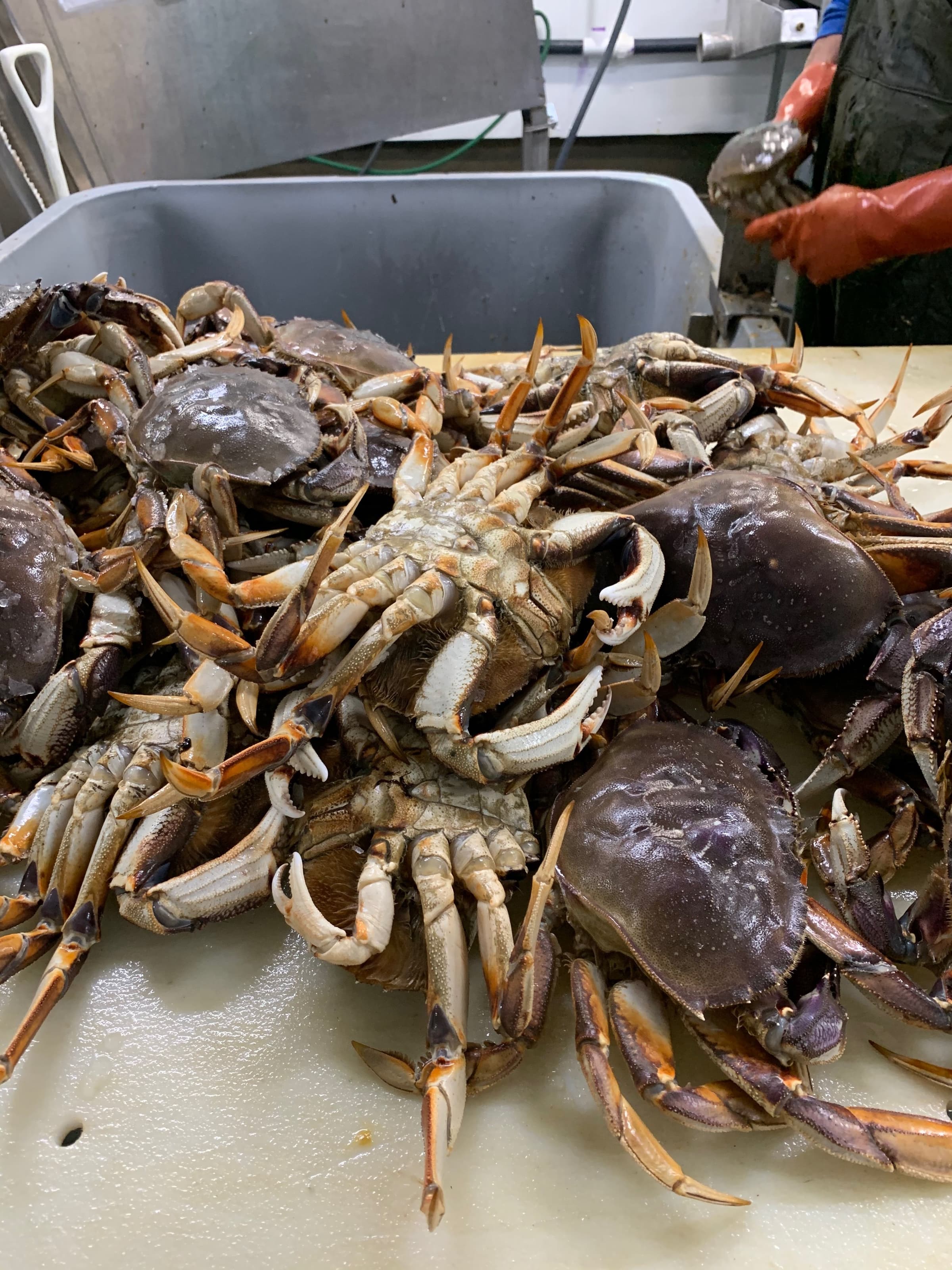
It was a difficult time for the company, and our supply chain of the best fish felt tenuous. We had to reach out to companies we had previously competed with and ask them to fill the supply we needed. Thankfully, they were able to move forward and recognize that our marketplace could improve their bottom line. Seafood Producers Cooperative stepped up to support our fishermen and filled the void by providing high-quality black cod, halibut, salmon, rockfish, and lingcod from Sitka. Our friends at Northline Seafoods, who had helped us build out our plant in 2016, stepped up with Bristol Bay’s best sockeye. Haines Packing purchased some of our ice and processing equipment so they could produce more salmon and Dungeness crab for our members. Some suppliers we worked with talked big but couldn’t deliver to our quality specifications. Those were hard lessons learned, but our members understand what great fish looks like and won’t settle for anything less.
Supplier by supplier, our supply chain was restored, and all our time spent processing gave our team detailed knowledge of the exact specs and processes needed to meet our exacting quality standards. Today, Alex, one of the aces at our Sitka plant, oversees quality control in Galesburg and brings years of hands-on fish processing experience to ensure every piece of fish you receive is the best it can be. Our partners now have a steady marketplace that delivers consistent prices to their fishermen and adds value through filleting and freezing, rather than just selling whole fish to commodity markets. That is the winding road to how we ended up here, and though it wasn’t always easy, we wouldn’t have it any other way.
